Mycelium | Exploring the Future of ML-Enhanced Materials
Material Research | Sustainability
Output
Concept
Role
Product Strategist
Time Duration
7 Weeks
Executive Summary
Mycelium-based materials are emerging as a transformative force in sustainable industries, offering potential applications in architecture, fashion, packaging, and electronics. The scalability of mycelium production, integration with AI/ML, and hyper-personalization trends are driving new market opportunities. However, commercialization faces challenges related to cost, process control, and material standardization.
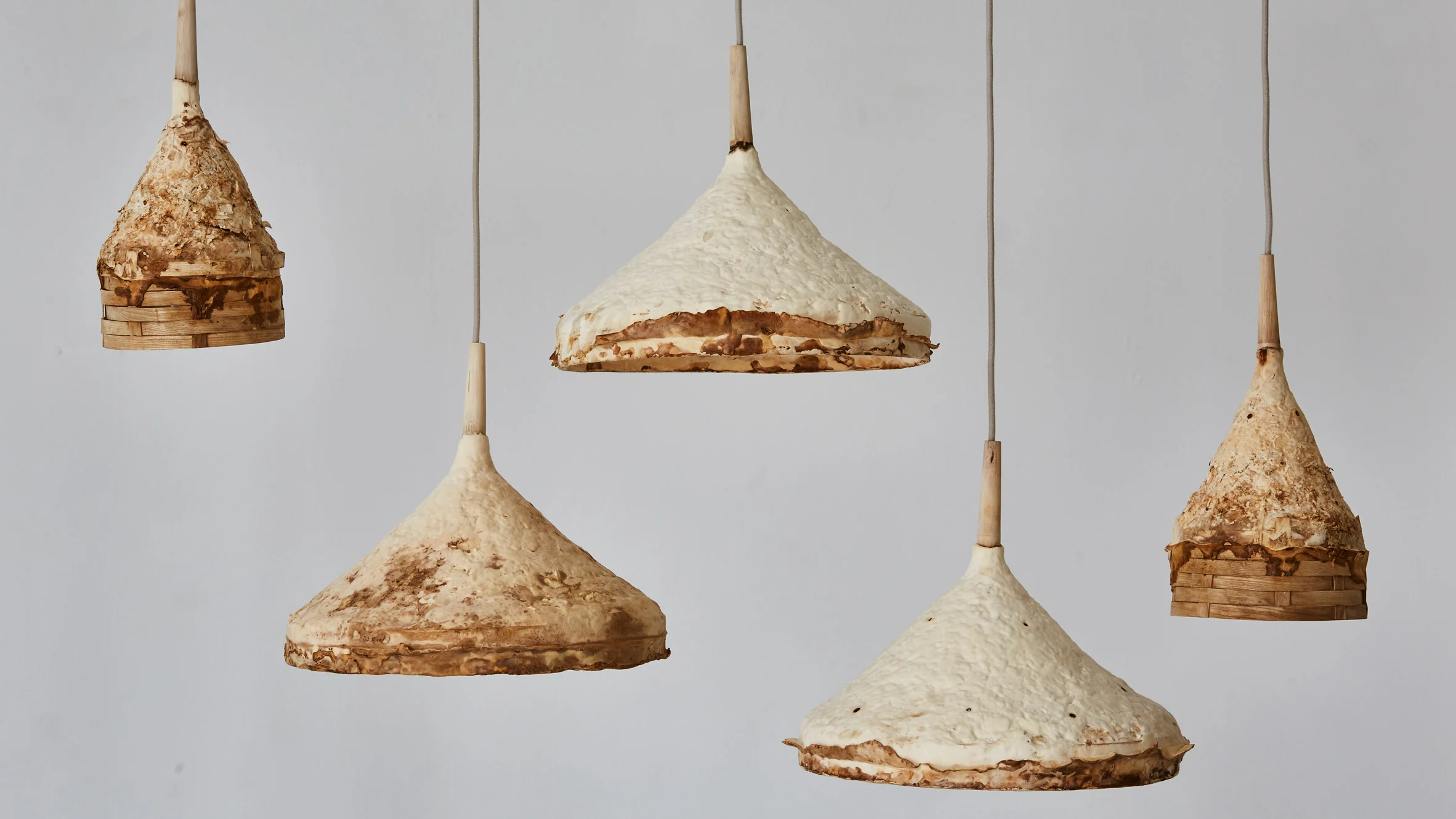
Sebastian Cox’s Mycelium Pendant Lamps
Carbon Negative Sustainable Alternative
Polystyrene, commonly used in packaging, takes decades to decompose and is difficult to recycle, contributing heavily to environmental damage and carbon emissions. Mycelium packaging offers a sustainable alternative, created from organic waste and fungal growth that naturally decomposes and reduces reliance on petroleum-based materials..
This emerging biomaterial is carbon negative, using agricultural byproducts such as sawdust and coffee waste while growing into customizable molds that eliminate traditional manufacturing steps. By supporting circular production and personalized design, mycelium presents a promising solution for more sustainable material innovation
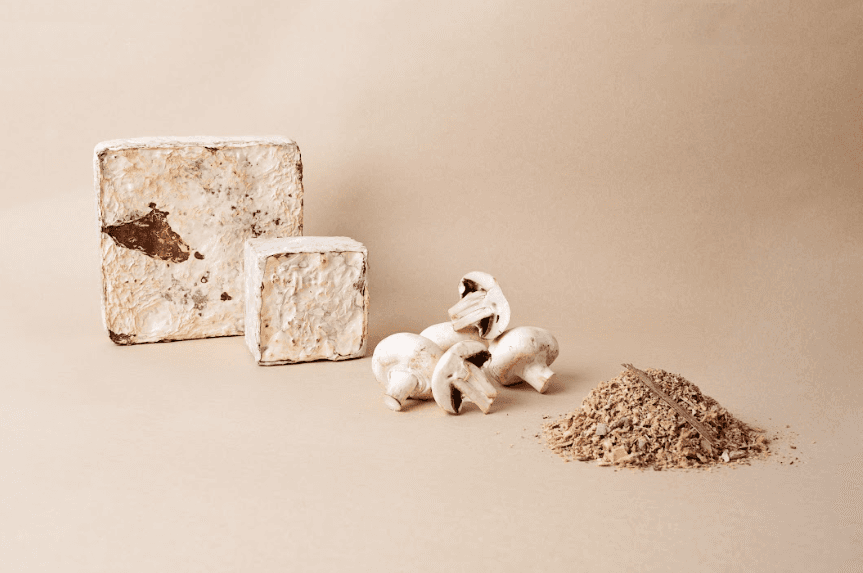
Photo sourced from UKGBC
Why Now?
Climate and Waste Crisis
Mycelium materials present a carbon-negative alternative to plastics, foams, and synthetic composites. Traditional manufacturing emits more CO₂ and depends on non-renewable resources, while growing mycelium uses organic waste like sawdust and emits less than 0.5 kg of CO₂ per kg of material produced. Its compostability and safe, toxin-free nature make it a strong candidate for a circular economy.
Rising Demand for Sustainability and Personalization
The global mycelium market is projected to grow from $3.1 billion in 2023 to $6.5 billion by 2032. This surge is fueled by the rise of eco-conscious consumers—especially Gen Z and Millennials—who favor sustainable, personalized products. Mycelium's ability to grow into molds allows for hyper-personalization without added waste, aligning perfectly with these evolving expectations.
71% of consumers expect companies to deliver personalized interactions and 76% get frustrated when this doesn’t happen.
The value of getting personalization right—or wrong—is multiplying, McKinsey Article, 2021
Mycelium | The Now
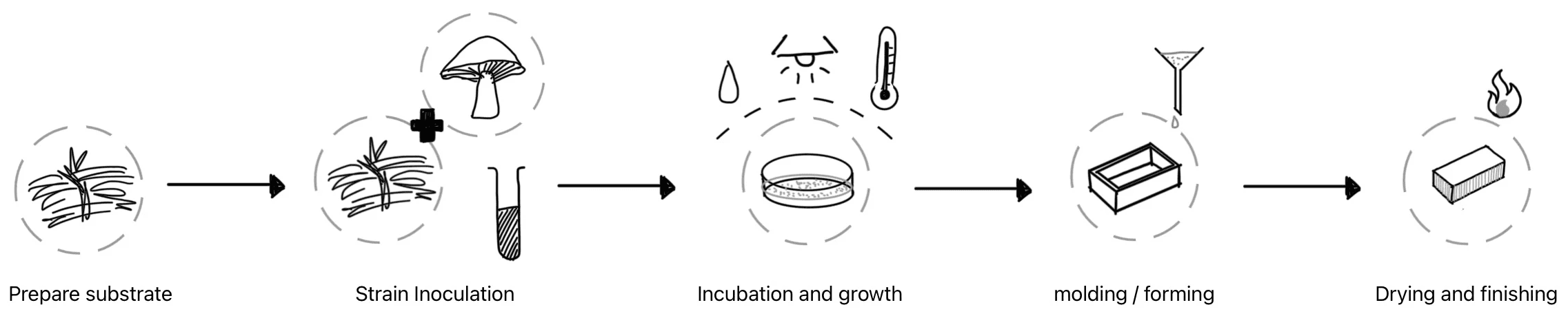
Mycelium production today is still in its early industrial stages, sitting somewhere between experimental craft and scalable biofabrication. While the fundamental process is elegant and sustainable, it’s also labor-intensive and highly sensitive to environmental conditions.
Substrate Dependency
Mycelium grows on organic waste like sawdust, hemp, and straw—but the quality and consistency of the final product heavily depend on the substrate mix. There's no universal formula, which makes scaling unpredictable.
Manual Intervention
In most production settings, substrate preparation, inoculation, and molding require human oversight. This makes the process hard to automate and limits throughput.
Growth is flexible
Mycelium grows quickly in biological terms (a few days), but not fast enough to replace materials like plastic or foam in high-volume applications unless growth conditions are perfectly optimized.
Custom molds
Growing materials directly into forms reduces waste and supports personalization—but creating and managing these molds adds time and complexity to the process.
Drying is intensive
The drying phase is essential to halt growth and stabilize the material. It requires controlled heat and time, which can add to the production footprint if not optimized.
Insight
Current production is effective at small to medium scale, especially for interior design, packaging, and prototyping. However, scaling to industrial levels demands investment in environmental controls, AI-assisted growth systems, and better substrate engineering.
Insight
Challenges with Mass Production
Inconsistent Material Properties
Mycelium growth is highly sensitive to environmental variables like temperature, humidity, and substrate composition. This leads to variability in thickness, density, and strength across samples—making it difficult to achieve the material uniformity required for industrial use.
Lack of Scalable Process Control
Precise control over mycelium’s growth direction and rate is still limited. Current production lacks automation and reliable monitoring systems, making it challenging to replicate results at scale without skilled intervention or specialized equipment.
High Production Costs
Compared to plastics and foams, mycelium materials are still costly to produce due to longer growth cycles, post-processing requirements, and the absence of standardized infrastructure. Without innovations in biochemical engineering and manufacturing technology, cost-efficiency and scalability remain significant hurdles.
Could this natural, living organism be the future of material design?
Rise of the Eco-Conscious Consumer
Consumers are becoming more environmentally aware and value-driven, especially younger generations like Gen Z and Millennials. These demographics are actively seeking brands that reflect their values—prioritizing sustainability, transparency, and health. As global crises such as climate, economic, and geopolitical intensify, sustainability is no longer optional. It’s a market expectation.
Consumers now expect products tailored to their identities, values, and needs. This trend is moving beyond digital services into physical goods:
Wellness: Personalized supplements and nutrition plans
Beauty: Custom skincare and fragrances (projected $52.4B global fragrance market by 2025)
Interiors: One-of-a-kind objects and material experiences
Mycelium’s ability to grow into molds enables physical products to be customized at source, without the waste of post-processing positioning it perfectly for hyper-personalized, sustainable design.
Sustainable Luxury
Luxury is being redefined. Today’s high-end consumers are demanding ethical sourcing and eco-conscious design. Top brands are exploring biomaterials in apparel and accessories, merging innovation with responsibility. In design and architecture, green building solutions are increasingly prioritizing circular, biodegradable materials. Mycelium offers a future-forward answer to this demand, bridging aesthetics, ethics, and environmental performance.
Investment Landscape
The capital market is recognizing the promise of biomaterials. Venture capital is increasingly flowing into climate tech, circular materials, and regenerative design, signaling confidence in the future of sustainable bio-fabrication.
Tech x Nature | ML x Mycelium
Mycelium is more than a sustainable material; it’s a biological network capable of adapting to its environment, communicating via electrical signals, and shaping itself organically. When paired with AI and machine learning, this living system can become a programmable offering with a frontier for smart, responsive, and personalized material design.

Generative Design Meets Biological Growth
ML algorithms enable designers to generate complex, efficient structures that align with how mycelium naturally grows. When paired with mold-based cultivation, this fusion allows for the creation of hyper-personalized, zero-waste products and architectural elements—where form is not just designed, but grown.

AI-Driven Growth Optimization
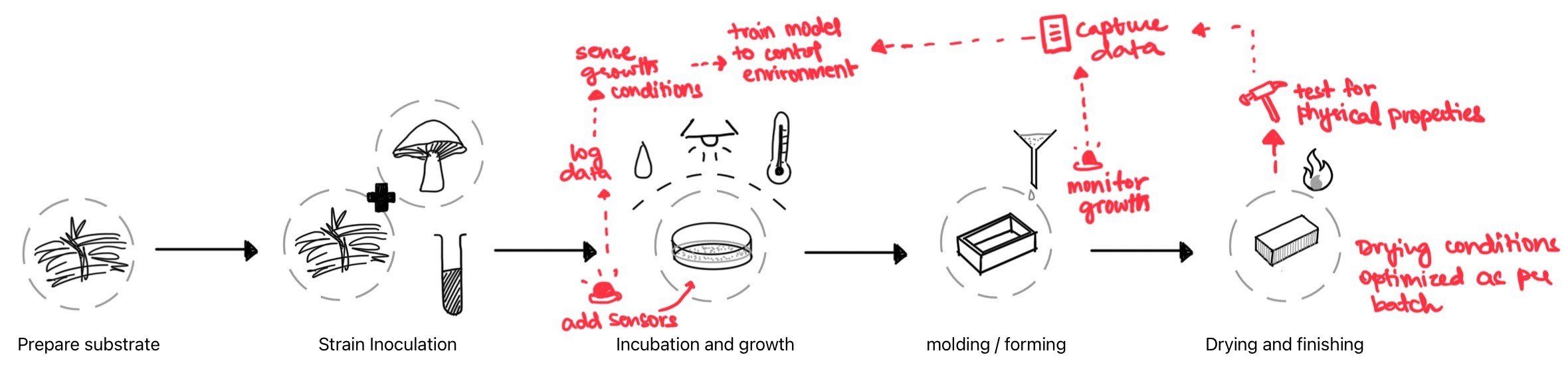
Machine learning models simulate how fungal strains interact with variables like substrate type, moisture, and temperature. This predictive control helps optimize strength, texture, and growth speed—enhancing consistency and tailoring properties for different use cases.

Photos by Google DeepMind on Unsplash
Real-Time Quality Monitoring & Automation
Using computer vision and embedded sensors, AI can track visual and environmental cues during incubation. This enables dynamic adjustments to maintain uniform growth, reduce variability, and automate quality control in high-throughput production environments.
Where does the Future Lead?
As the lines blur between technology, biology, and design, mycelium offers a compelling platform for speculative yet increasingly plausible applications across industries.
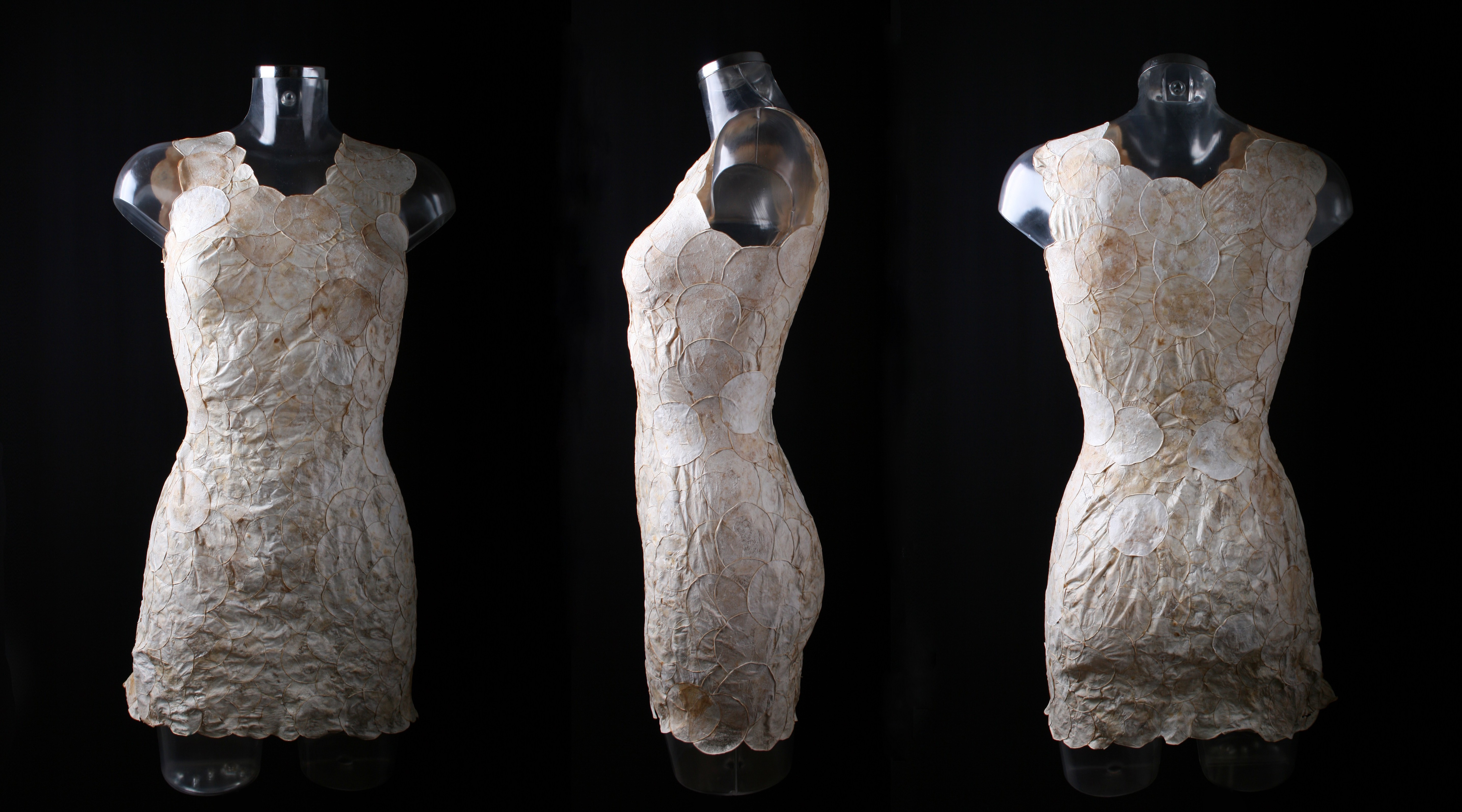
Photo from MycoTEX
Living Textiles
Fashion
As the lines blur between technology, biology, and design, mycelium offers a compelling platform for speculative yet increasingly plausible applications across industries.
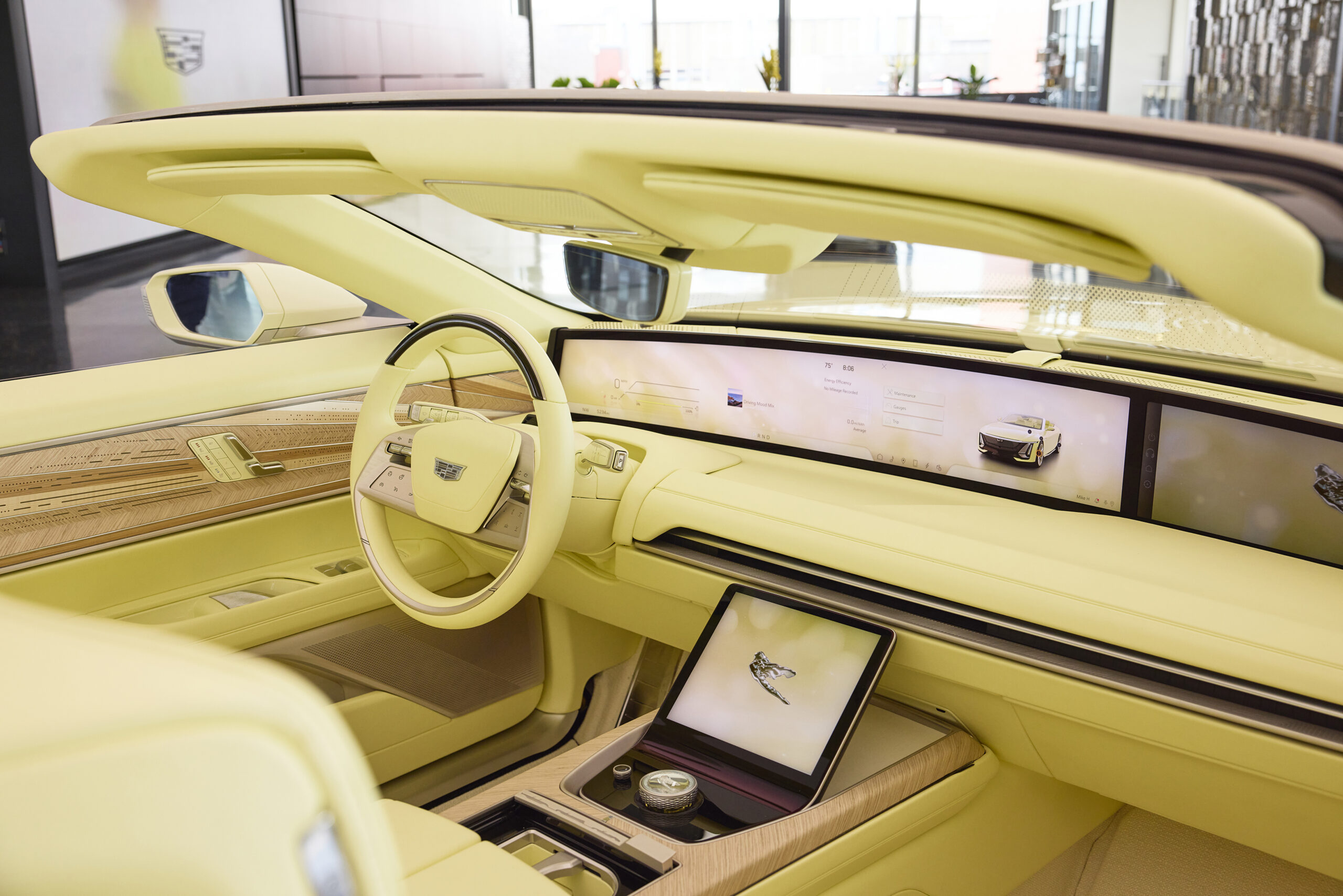
Photo from MycoWork
Regenerative Interiors
Automotive
The automotive sector is exploring alternatives to plastic and leather for interior design. Mycelium-based panels could offer fire resistance, acoustic insulation, and full compostability, ideal for next-gen vehicles focused on sustainability without compromising aesthetics or safety.
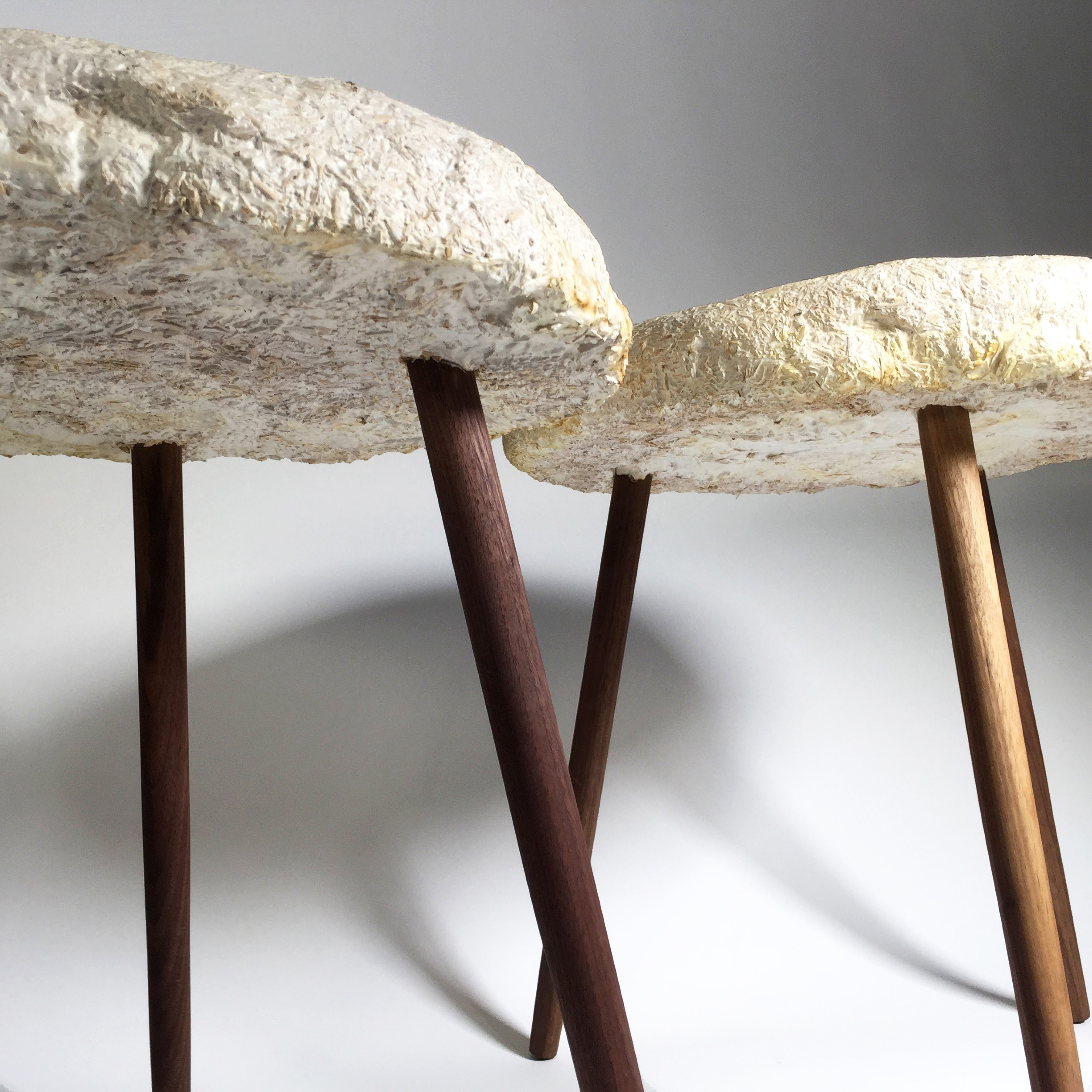
Mycelium Stool, Harvard
Grown Aesthetics
Interior Design
Events like Material Matters 2024 showcase a growing demand for bio-based home goods, from orange peel lamps to wheatgrass fabrics. Mycelium fits seamlessly into this movement, enabling the creation of molded furniture, acoustic tiles, and light fixtures that are not only functional but also completely biodegradable.
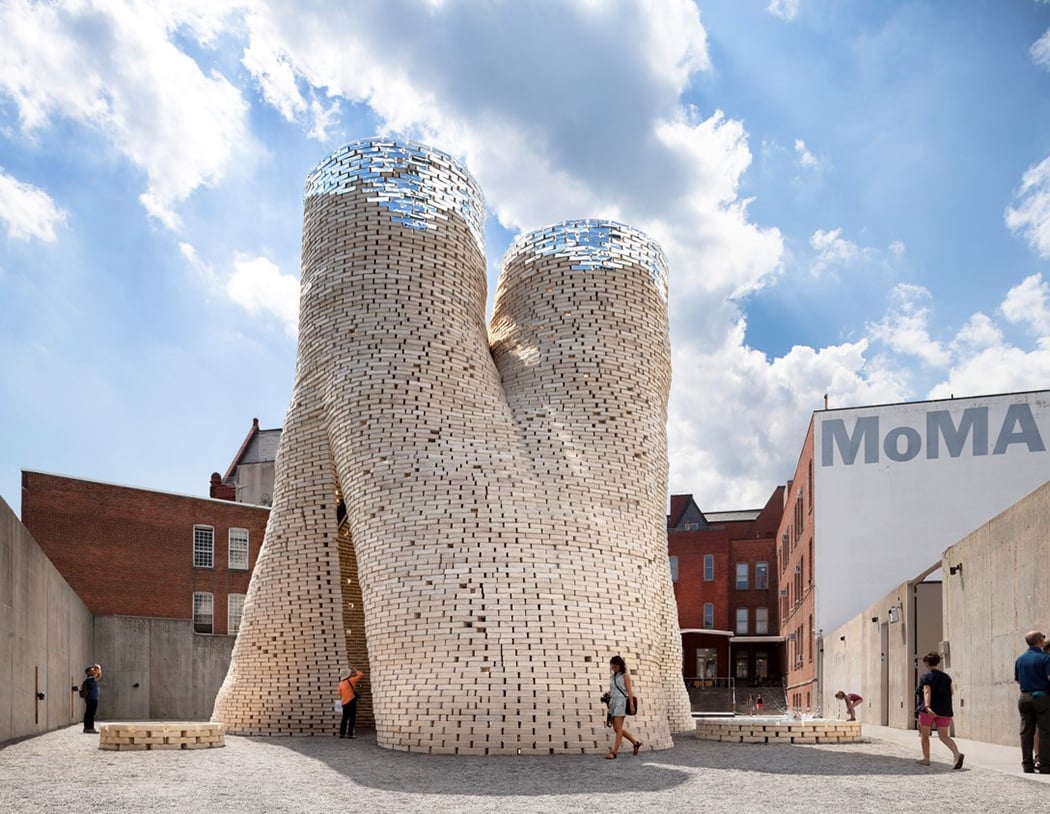
Photo from OXMAN
Solar Punk Futures
AEC
In architecture, mycelium can form monolithic, biodegradable structures. When integrated with solar retrofits, composting systems, or water harvesting, these materials become part of a larger solar punk vision—one where buildings act as living, adaptive systems that are as regenerative as the environments they inhabit.
Barriers & Realities
Despite its potential, mycelium is not yet a plug-and-play solution. Several real-world barriers still limit widespread adoption and commercialization.
Material Inconsistency
Mycelium growth is biologically complex and highly sensitive to environmental variables like temperature, humidity, and substrate composition. These variables result in irregularities in thickness, density, and strength, making it difficult to achieve uniform product quality, a critical requirement for industrial applications.
Lack of Process Standardization
Scaling production requires precise control over growth conditions, which remains difficult with current technology. Without automation and real-time monitoring, each batch may vary, and the absence of standardized equipment and protocols slows down adoption.
High Production Costs
Compared to conventional materials like plastic, mycelium-based products are currently more expensive to produce. Limited infrastructure, longer growth cycles, and post-processing needs all contribute to higher costs. Until economies of scale and automation improve, cost will remain a significant hurdle.
Technical and Engineering Gaps
To commercialize at scale, industries will need biochemical engineering advances including fast-growth fungal strains, intelligent substrate design, and hybrid composites that improve mechanical performance. Equipment for cutting, finishing, and quality assurance also needs to be tailored to the biological nature of mycelium.
Strategic Recommendations
The biggest challenge to scaling mycelium-based production is the lack of a standardized, high-quality growth database—insights into how variables like substrate, moisture, form, and fungal strain interact to produce consistent outputs. Building this database requires experimentation, iteration, and market feedback. Over time, this approach builds the foundational dataset needed to standardize production, lower costs, and eventually move into mass customization or architectural-scale applications. By targeting high-end, personalized applications, such as bespoke furniture, interior panels, wearable tech, or art objects-
Focus on personalized markets
High-margin, data-rich learning loop
Phase 2: Standardize
Build consistent production systems
Ready for mid-scale B2B applications
Phase 3: Scale
Move into architecture, interiors, auto
Widespread adoption and ecosystem impact
Phase 1 Strategy
Start with the consumers who value sustainability, uniqueness, and innovation.
Willing to pay for eco-conscious luxury and unique products.
Value personalization and limited edition designs.
Understand that time and craft are part of the value proposition.
Collect detailed growth-performance data.
Build brand equity and design credibility in a niche market.